Scaling Innovation: The Strategic Integration of Talent and Technology
.jpg)
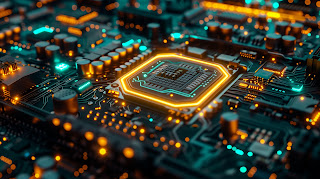
When the product involves physical hardware, the complexity doubles. Finding a partner that functions as a high-quality embedded software developer is essential for projects involving IoT, robotics, or medical devices. Writing code for these environments requires a different mindset than web or app development; every byte of memory and every clock cycle of the CPU matters. The goal is to create lean, reliable software that can run for years without needing a reboot, often in environments where there is no screen and no easy way to perform a manual reset.
Leadership in the Intelligent Software Space
The final piece of the puzzle is the layer of intelligence that makes a product smart. As a top AI company in India, Prismberry bridges the gap between hardware and logic. We help businesses implement everything from simple automation scripts to complex deep-learning models that can interpret sensor data in real-time. By combining this AI expertise with a deep understanding of embedded systems, we enable the creation of truly autonomous products. This could be a smart thermostat that learns your habits or a self-driving forklift that can navigate a busy warehouse safely.
This intersection of skills is rare. Most firms specialise in either hardware or high-level AI, but the future belongs to those who can do both. Integrating an AI model into an embedded system requires a deep understanding of how to optimise mathematics for low-power processors, ensuring that the device doesn't overheat or drain its battery in minutes while performing complex calculations.
Culture-First Technical Integration
The most successful augmented teams are those that feel like a natural extension of the client's office. This requires more than just technical skill; it requires alignment on communication styles, documentation standards, and project management methodologies. When the external team uses the same tools, be it Jira, GitHub, or Slack, and speaks the same technical language, the friction of collaboration disappears. This cultural fit ensures that knowledge is shared freely and that the augmented staff feels a sense of ownership over the final product's success.
Navigating the Future of Industrial Automation
We are entering an era of Software-Defined Hardware, where the capabilities of a physical machine can be completely transformed through a remote update. This shift requires a team that understands the entire lifecycle of a product, from the initial circuit board design to the cloud-based dashboard that monitors it. This holistic view is what allows companies to stay competitive in a market that moves faster every day. It also allows for "as-a-service" business models, where hardware can be improved and monetised long after the initial sale.
Reducing Time-to-Market Without Sacrificing Quality
The pressure to launch quickly can often lead to technical debt, shortcuts in the code that cause bugs or performance issues later. By bringing in vetted seniors through an augmentation model, companies can ensure that the foundation of their product is solid from day one. This proactive approach to quality saves time and money in the long run, as it prevents the need for expensive rewrites, emergency patches, or hardware recalls. It’s about doing it right the first time, even when the clock is ticking.
FAQ
How do you ensure the quality of augmented staff?
Ans: We put all our engineers through a rigorous multi-stage vetting process that includes technical coding challenges, system design interviews, and soft-skill assessments to ensure they can work effectively in any team environment.
Can you help with both the hardware and the software?
Ans: Yes, we specialise in the intersection of the two, helping clients with everything from selecting the right microcontrollers to writing the firmware and the AI models that run on them to create a cohesive product.
What makes a company a top AI firm in the region?
Ans: The distinction comes from a combination of successful project deliveries, a high concentration of specialised talent, and a commitment to staying at the forefront of research in neural networks and machine learning applications.
.jpg)
Comments
Post a Comment